Tasty Table Diary

Easy, Thai

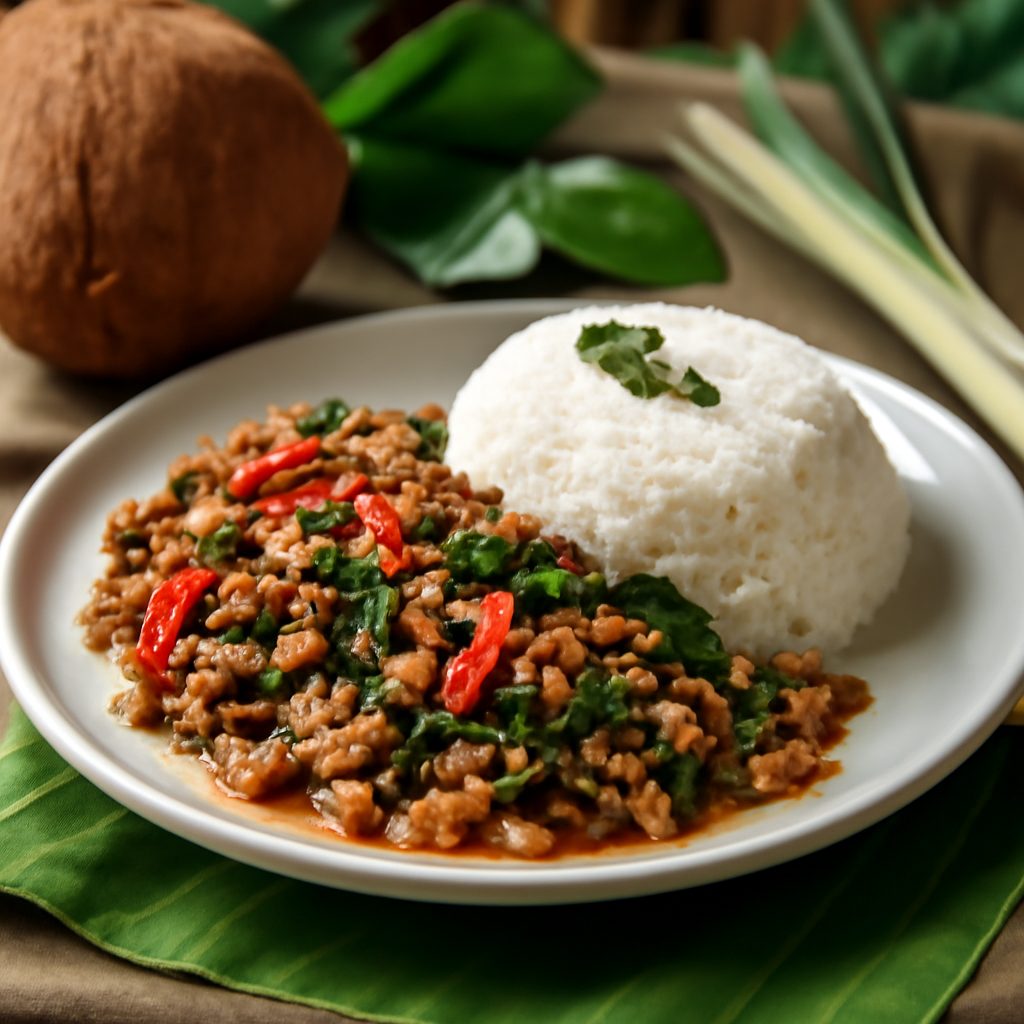
Pad Krapow Gai - Thai Basil Protein Shirataki Noodles

La ricetta originale, da cui nascono le versioni Low Carb, Protein e Low Fat.

Save
Pad Krapow Gai - Thai Basil Protein Shirataki Noodles

Tasty 4 Recipe Card™

Version Original

Variante Original suggerita, da adattare partendo dalla ricetta base.

Choose this version

Time

25m

Servings

1 servings

Level

Facile

Nutrition at a glance

400 kcal

Calorie

40 g

Proteine

10 g

Carboidrati

15 g

Grassi

Ingredients

Unlock the full recipe — it's free

Sign up for free to access over 90,000 recipes and stay up to date with new ones. One account for our whole ecosystem.

Sign up free I already have an account

Method

1

Sciacqua i noodles di shirataki sotto acqua corrente e lasciali sgocciolare bene.

2

In una ciotola, mescola la salsa di soia, la salsa di ostriche, l'eritritolo e l'acqua, mescolando fino a ottenere una consistenza omogenea.

3

Riscalda l'olio EVO in una padella antiaderente a fuoco medio-alto e aggiungi la cipolla rossa affettata, l'aglio e il peperoncino; rosola per 2-3 minuti.

4

Aggiungi il petto di pollo a dadini e cuoci fino a doratura, circa 4-5 minuti.

5

Unisci i broccoli cinesi e cuoci per ulteriori 2 minuti.

6

Versa la salsa preparata nella padella, aggiungi i noodles di shirataki e il basilico fresco; mescola bene per amalgamare i sapori e cuoci per altri 2 minuti.

7

Servi caldo, guarnendo con ulteriore basilico se desiderato.

Compare the versions

Which version should you choose?

Choose the version that suits your table today.

Food culture

The story of Pad Krapow Gai - Thai Basil Protein Shirataki Noodles

Pad Krapow Gai - Thai Basil Protein Shirataki Noodles is a much-loved dish of Thailandese cuisine, with roots in the tradition of Facile. It captures the comfort and generosity of a real home table.

On Tasty Table Diary the original always comes first. The modern versions are created to respect the spirit of the dish while adapting it to different needs.
Cooking tips

Tips for the perfect result

Use the freshest ingredients you can find for the best flavour.
Build the flavour slowly and taste as you cook.
Don't rush the cooking: balance is everything.
Let Pad Krapow Gai - Thai Basil Protein Shirataki Noodles rest for a moment before serving.

FAQ

Questions about this recipe

Helpful answers before you choose your version.

What is the benefit of shirataki noodles?

Shirataki noodles are very low in calories and carbohydrates, making them ideal for low-calorie and low-carb diets.

Can I substitute the chicken with another protein source?

Yes, you can use tofu or seitan for a vegetarian version, maintaining a high protein content.

How many carbohydrates do these noodles have?

Shirataki noodles contain very few carbohydrates, making them perfect for a low-carb diet.

How can I store leftover shirataki noodles?

You can store them in an airtight container in the refrigerator for 2-3 days; reheat before serving.

What is the difference between soy sauce and oyster sauce?

Soy sauce is salty and light, while oyster sauce has a richer and deeper flavor, ideal for seasoning dishes.

Pad Krapow Gai - Thai Basil Protein Shirataki Noodles

WOW TV

Watch the recipe's story.

The video can link the recipe to WOW TV, cooking shows or Academy lessons.

Watch the video →

Tasty Table Academy

See how this recipe becomes four versions.

Study the logic of recipe transformation inside The Tasty 4 Method™ Masterclass.

Open the course →

Articles and training

Understand the method.

Every recipe can link to guides, network readers and Academy paths.

Tasty Table Diary

How to turn any recipe into four versions

Guide

Open →

Ricette per Dimagrire

How to make a recipe more filling

Network Reader

Open →

Tasty Table Academy

The Tasty 4 Method™ Masterclass

Course

Open →

Where to eat it

Where to eat the best Pad Krapow Gai - Thai Basil Protein Shirataki Noodles

Find the top-rated restaurants to enjoy this dish — with real Google ratings and the AI's pick.

Find where to eat it

Flavour Atlas

Keep exploring the atlas.

This dish lives inside the flavour atlas: discover its cuisine, its region and the whole world around it.