Tasty Table Diary

Media, Italian

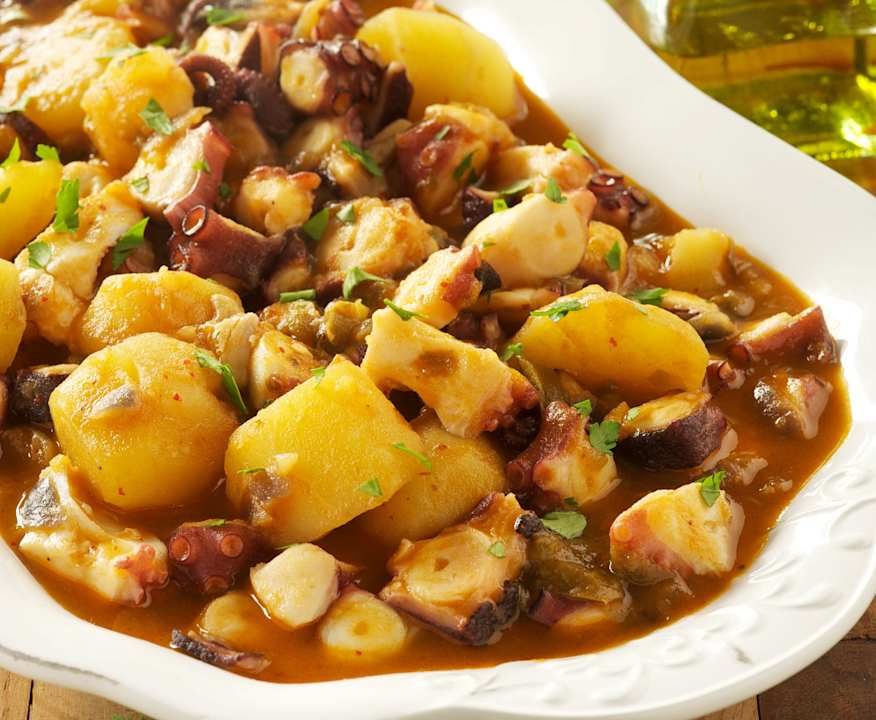
Marmitako di polpo Low Fat

La ricetta originale, da cui nascono le versioni Low Carb, Protein e Low Fat.

Save
Marmitako di polpo Low Fat

Tasty 4 Recipe Card™

Version Original

Il marmitako fit trasforma il piatto asturiano in una bomba proteica: polpo tenerissimo, patate dolci e brodo di pesce ricco di collagene, tutto in 320 kcal per una sazietà duratura.

Choose this version

Time

50m

Servings

4 servings

Level

Media

Nutrition at a glance

320 kcal

Calorie

42 g

Proteine

18 g

Carboidrati

8 g

Grassi

Ingredients

Unlock the full recipe — it's free

Sign up for free to access over 90,000 recipes and stay up to date with new ones. One account for our whole ecosystem.

Sign up free I already have an account

Method

1

Inizia con una cottura veloce in pentola: scalda mezzo cucchiaio d'olio in una pentola grande a fuoco medio, soffruggi aglio, cipolla e peperone tagliati finemente per 5 minuti fino a renderli trasparenti.

2

Aggiungi la passata di pomodoro, la paprika affumicata e mescola bene; lascia insaporire per 3 minuti.

3

Versa il brodo di pesce caldo, porta a bollore e aggiungi le patate dolci tagliate in cubetti medi (non troppo piccoli, per mantenere sazietà).

4

Cuoci a fuoco medio-alto per 15 minuti finché le patate iniziano a ammorbidirsi.

5

Nel frattempo, taglia il polpo in bocconi medi: se congelato in precedenza, sarà naturalmente più tenerizzato; altrimenti cuocilo brevemente in acqua bollente per 8-10 minuti prima di tagliarlo.

6

Aggiungi il polpo al brodo e continua la cottura per 8-10 minuti finché il polpo è tenero e le patate sono completamente cotte.

7

Assaggia, correggi di sale e pepe, aggiungi il peperoncino fresco se desideri una nota piccante.

8

Manteca finale: spegni il fuoco, aggiungi il restante olio extravergine di oliva a crudo per una ricchezza olfattiva.

9

Servi in ciotole profonde, guarnisci con prezzemolo fresco tritato.

Compare the versions

Which version should you choose?

Choose the version that suits your table today.

Food culture

The story of Marmitako di polpo Low Fat

Marmitako di polpo Low Fat is a much-loved dish of Italiana cuisine, with roots in the tradition of Media. It captures the comfort and generosity of a real home table.

On Tasty Table Diary the original always comes first. The modern versions are created to respect the spirit of the dish while adapting it to different needs.
Cooking tips

Tips for the perfect result

Use the freshest ingredients you can find for the best flavour.
Build the flavour slowly and taste as you cook.
Don't rush the cooking: balance is everything.
Let Marmitako di polpo Low Fat rest for a moment before serving.

FAQ

Questions about this recipe

Helpful answers before you choose your version.

Can I make Marmitako di polpo Low Fat ahead of time?

Yes. It is often even better after resting, and it reheats beautifully.

Which is the lightest version?

The Low Fat version is designed to reduce fat while keeping the structure of the dish.

Which is the best version for fitness?

The Protein version boosts protein and satiety.

Can I freeze it?

Most versions freeze well in single portions for meal prep.

Marmitako di polpo Low Fat

WOW TV

Watch the recipe's story.

The video can link the recipe to WOW TV, cooking shows or Academy lessons.

Watch the video →

Tasty Table Academy

See how this recipe becomes four versions.

Study the logic of recipe transformation inside The Tasty 4 Method™ Masterclass.

Open the course →

Articles and training

Understand the method.

Every recipe can link to guides, network readers and Academy paths.

Tasty Table Diary

How to turn any recipe into four versions

Guide

Open →

Ricette per Dimagrire

How to make a recipe more filling

Network Reader

Open →

Tasty Table Academy

The Tasty 4 Method™ Masterclass

Course

Open →

Where to eat it

Where to eat the best Marmitako di polpo Low Fat

Find the top-rated restaurants to enjoy this dish — with real Google ratings and the AI's pick.

Find where to eat it

Flavour Atlas

Keep exploring the atlas.

This dish lives inside the flavour atlas: discover its cuisine, its region and the whole world around it.